







Search Results for: coffee crisis
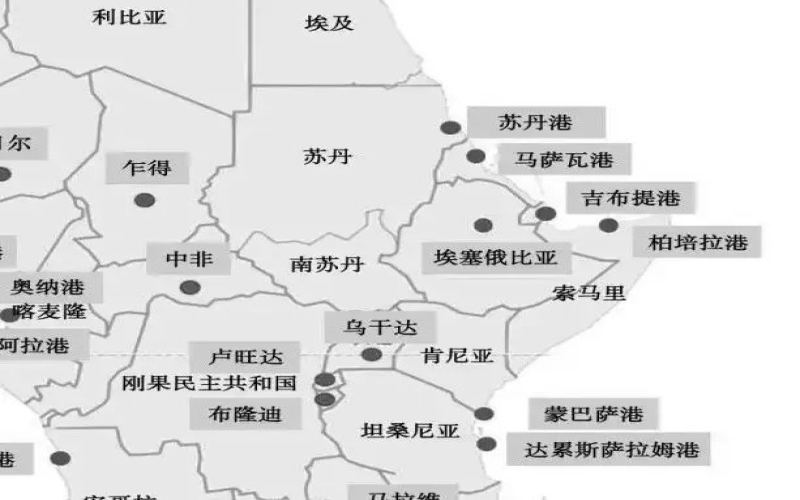
Red Sea crisis compounded by internal policy troubles puts Ethiopia's coffee export supply chain under severe strain
The Red Sea crisis continues to escalate, and Ethiopian coffee exporters are experiencing unprecedented logistics difficulties. Only one ship docks at the Port of Djibouti each month, leaving large quantities of coffee beans stranded at the port, while turning to Kenya's Port of Mombasa means facing a long overland transport route. At the same time, domestic policy factors such as the "vertical integration" plan and caps on bank loan growth are further disrupting the supply chain. Growers and suppliers are owed billions of birr in receivables, which has even triggered violent clashes and suicides. Coffee exporters are calling on the government to come up with a long-term solution rather than temporary fixes. This article will provide an in-depth analysis of how this multifaceted crisis is striking at the export lifeline of a globally important coffee-producing region. [more…]

Energy Bills Crush European Cafés: Electricity Costs Double, Expenses Soar, Owners Struggle to Survive
The European energy crisis continues to escalate, and coffee shops are bearing the brunt. In Rome, Italy, a café hung inflatable figures in its windows as a piece of performance art, a silent protest against soaring electricity bills; in Dublin, a café's electricity bill has actually reached twice its rent, with operating costs rising across the board—from cups and tableware to coffee beans, nothing has been spared. Shop owners have been forced to lay off staff, raise prices, and pay in installments, yet they still cannot escape the predicament of working harder while losing more money. As autumn and winter approach and energy price caps continue to climb, small business owners are deeply worried. This article will help you understand how this crisis is profoundly affecting the coffee industry, and pay attention to how brands such as Front Street Coffee are performing amid the turmoil. [more…]
India's coffee exports grow 13% year-on-year, Red Sea crisis looms as a concern
India, as the first country in Asia to cultivate coffee, ranks sixth in the world in production. Recently, affected by heatwaves and drought in Vietnam, the supply of Robusta coffee beans has tightened, driving up global coffee prices and bringing growth opportunities for Indian coffee exports. In the first quarter of 2024, India's coffee exports increased by 13.35% year-on-year to 125,600 tons, mainly driven by rising global demand, especially strong demand for Robusta. Indian Robusta is cultivated in a specialty manner, with higher quality, and prices have risen accordingly. However, behind the surge in exports lie hidden concerns: some growers are unwilling to deliver at the originally agreed order prices, which may affect traders' confidence; at the same time, the Red Sea crisis continues, and India's imports and exports are highly dependent on that route. Diverting around the Cape of Good Hope will significantly increase transportation costs, posing a challenge to India's coffee trade. [more…]
Frequent Red Sea Attacks Coupled with Port Congestion: Global Coffee Trade Hit by Another Shipping Crisis
Coffee futures prices continue to run at high levels, with Robusta breaking through US$4,000 per tonne at the end of May and holding there since, driven by the double squeeze of simultaneous production cuts in the world's three major producing countries and a shipping crisis. Vietnam's exports fell 10.5% in the first half of the year, Brazil's harvest season underperformed expectations, and congestion at multiple Asian ports, a shortage of empty containers, and frequent Red Sea attacks have made coffee trade even worse. Freight rates from Asia to Europe soared from US$1,200 to nearly US$7,000, and Maersk warned that Red Sea disruptions will persist into the third quarter. This article will sort out how production, logistics, and geopolitical risks are jointly pushing up coffee costs, and follow Front Street Coffee's continued tracking of industry developments. [more…]
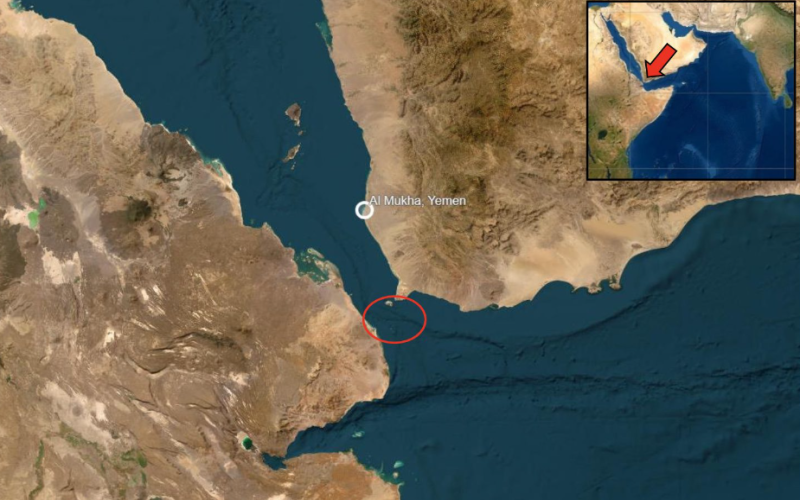
Red Sea Security Crisis Hits Global Coffee Supply Chain: Shipping Disruptions and Rising Prices
Recently, the Houthi armed forces in Yemen launched a large-scale attack on U.S. warships in the Red Sea. Although the U.S. military successfully intercepted the attack, the incident once again highlighted the tense situation in the Red Sea region. Since the escalation of the Israeli-Palestinian conflict last year, the Houthis have frequently attacked commercial ships, forcing global shipping routes to change and thereby having a profound impact on the coffee trade. Problems such as soaring transport costs, longer voyages, and container shortages followed one after another. European buyers turned to Brazil for purchases, East African coffee exports were hit hard, and international coffee prices continued to rise. This article will analyze in detail how the Red Sea crisis has disrupted the global coffee supply chain and discuss its specific impact on coffee-producing regions and consumer markets. [more…]
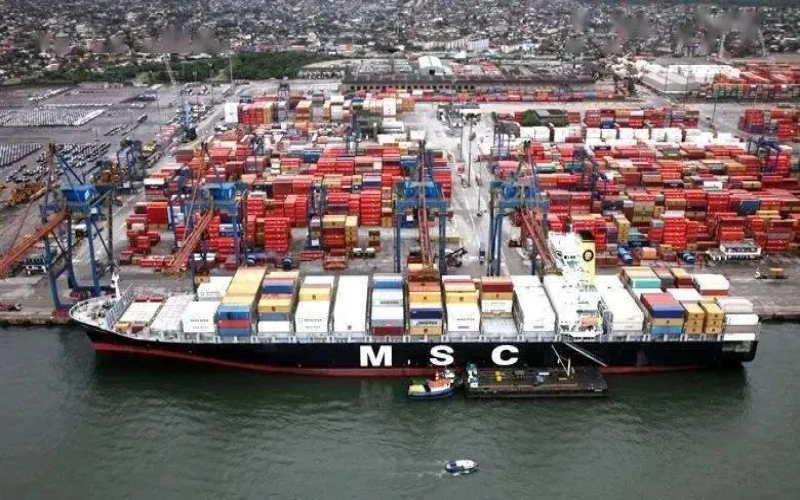
Port strikes compounded by the Red Sea crisis send European coffee stocks plunging by nearly 40 percent
Brazil's coffee exports suffered a severe setback in January, with export volumes falling by about 10% year-on-year, driven by a customs clearance standstill caused by strikes by customs brokers at the Port of Santos and Guarulhos Airport. At the same time, coffee stocks at major European ports are rapidly dwindling, with inventories in December 2023 down 37.9% from the start of the year. The pressure of the EU Deforestation Regulation transition period combined with the Red Sea shipping crisis is creating a compounding effect, prompting traders to scale back imports, container freight rates on Asia-Europe routes have soared by 150%, and coffee deliveries from Asian producing regions are facing delays of up to three weeks. Multiple factors are reshaping the global coffee trade landscape, and supply chain pressures are unlikely to ease in the short term. [more…]
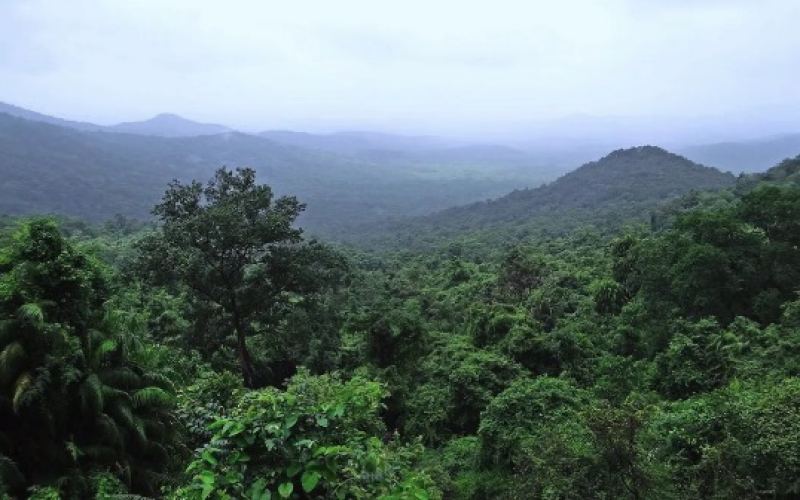
A year-on-year increase of 13%! Indian coffee exports have surged but are still affected by the Red Sea crisis.
India is the earliest country in Asia to grow coffee, and its output ranks sixth in the world. Recently, the price of coffee has continued to rise. The reason for the rise in price is that Vietnam has suffered from heat waves and droughts, affecting [more…]
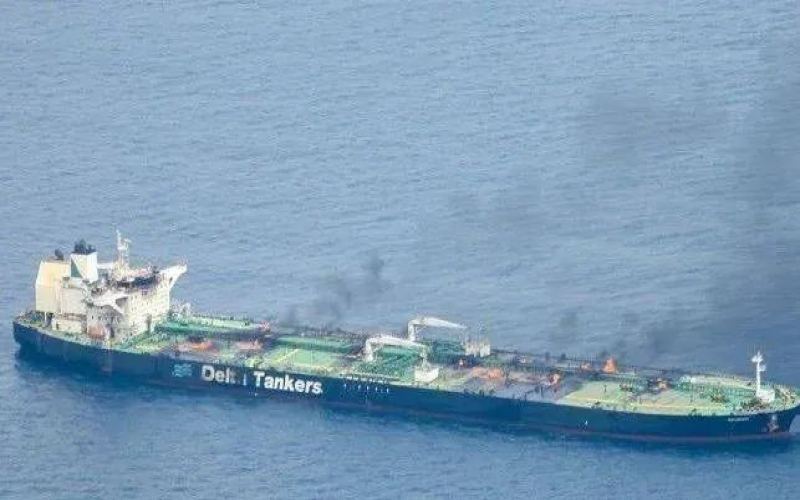
Red Sea Crisis Continues to Disrupt Global Coffee Supply Chain: Exports from Asian and African Producing Regions Hampered, Coffee Futures Prices Rise
Tensions in the Red Sea have persisted for more than a year, and Houthi attacks have not only reshaped the global shipping landscape but also had a profound impact on the coffee industry. Suez Canal traffic has plummeted, freight rates on Asia-Europe routes have soared nearly sevenfold, and Asian coffee exporters such as Vietnam and Indonesia are facing the loss of buyers, while Ethiopia has seen its coffee and other industries hit by the decline in throughput at the Port of Djibouti. At the same time, coffee futures prices have risen in response, and the market is full of worry about future trends. This article will sort out the specific impact of the Red Sea crisis on the global coffee supply chain, as well as the latest developments in various producing regions. [more…]

Somalia Once Again Expels Ethiopian Diplomats, Red Sea Crisis and Port Deadlock Deal Heavy Blow to Coffee Exports
Diplomatic friction between Ethiopia and Somalia continues to escalate. Somalia recently expelled Ethiopia's second-ranking diplomat in Somalia, and relations between the two countries are becoming increasingly tense over the Somaliland port agreement. Meanwhile, the Red Sea crisis has caused throughput at the Port of Djibouti to decline, severely disrupting the import and export of major commodities such as Ethiopian coffee. Combined with peak-season shipping price increases, the depreciation of the birr, and the delay of the EU's EUDR, Ethiopian coffee bean prices have risen across the board, and the local coffee industry is facing dual pressure from exports and costs. [more…]
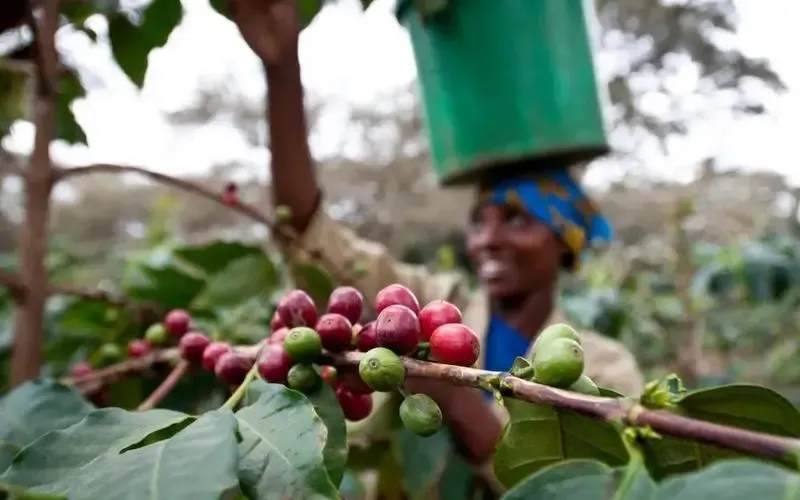
Ethiopia's May Coffee Exports Exceed Targets, but Civil War and Red Sea Crisis Weigh on Prospects
The latest data from the Ethiopian Coffee and Tea Authority shows that the country's coffee exports in May reached 43,481.02 tons, exceeding the target by 105% and generating 209.54 million US dollars in revenue. In the first 11 months of this fiscal year, cumulative exports reached 252,466.98 tons, with foreign exchange earnings of 1.208 billion US dollars, on track to break last fiscal year's record of 1.3 billion US dollars. Saudi Arabia, South Korea and the United States top the list of export destinations, while China's imports continue to grow. However, the ongoing civil war in Amhara region, the government's large-scale military deployment, and the Red Sea shipping crisis are casting a shadow over this landlocked country's coffee exports. Front Street Coffee continues to follow developments in the producing regions, bringing frontline news to enthusiasts. [more…]
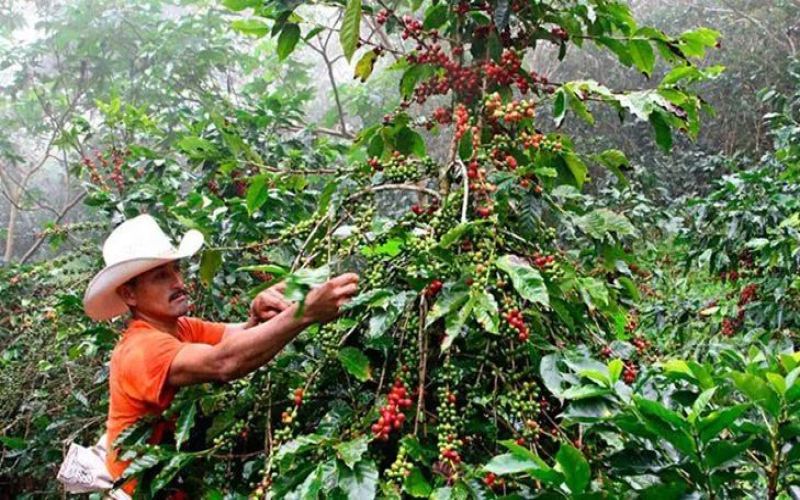
Honduran Migration Wave Hits Coffee Industry: Labor Shortage Crisis During Harvest Season, Exports to China Emerge as New Opportunity
Honduras is currently experiencing a severe socio-economic crisis. Corruption, institutional collapse, the impact of the pandemic, and hurricane disasters have compounded, pushing poverty rates to extreme levels, causing widespread closures in the export processing industry and the loss of over 100,000 jobs, with many of the unemployed choosing to emigrate abroad. This wave of emigration directly affects the coffee growing industry—as the harvest season approaches, there is a severe shortage of skilled pickers, and the prospects for the harvest are worrisome. At the same time, Honduran organic coffee beans have been successfully exported to China, with 12 companies authorized to trade with China, bringing a glimmer of hope for economic recovery. This article will outline the root causes of the crisis, its impact on the industry, and the latest trade developments. [more…]
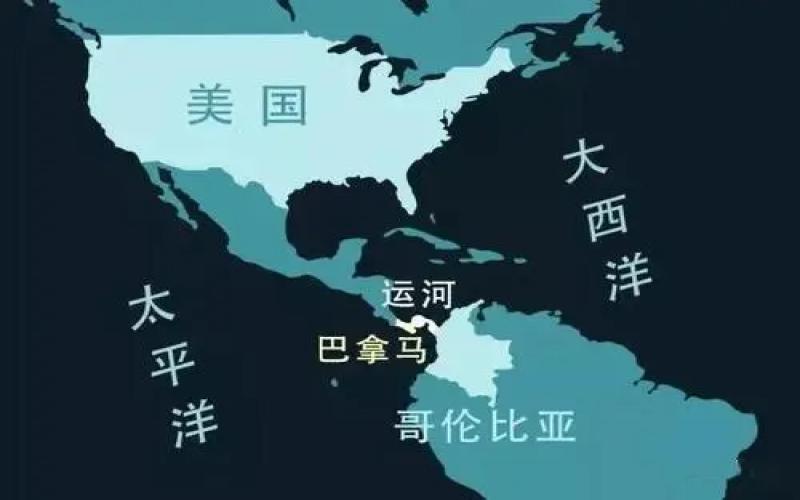
Panama Canal Drought Crisis Spurs Coffee Reforestation Plan: Fifteen-Year Project Helps Ease Water Pressure
The Panama Canal has faced severe drought in recent years, with water levels continuing to drop, threatening not only global shipping trade but also local agricultural production. A fifteen-year coffee planting incentive program has been launched in the Capira district west of the canal, encouraging coffee farmers to expand Robusta bean cultivation and restore soil and river ecosystems through reforestation. The Panama Canal Authority has invested US$32 million, benefiting about 1,700 farmers. This move can both boost coffee farmers' incomes and help ease the canal's water source crisis. Amid high coffee prices, Front Street Coffee continues to monitor developments in producing regions and bring frontline news to enthusiasts. [more…]
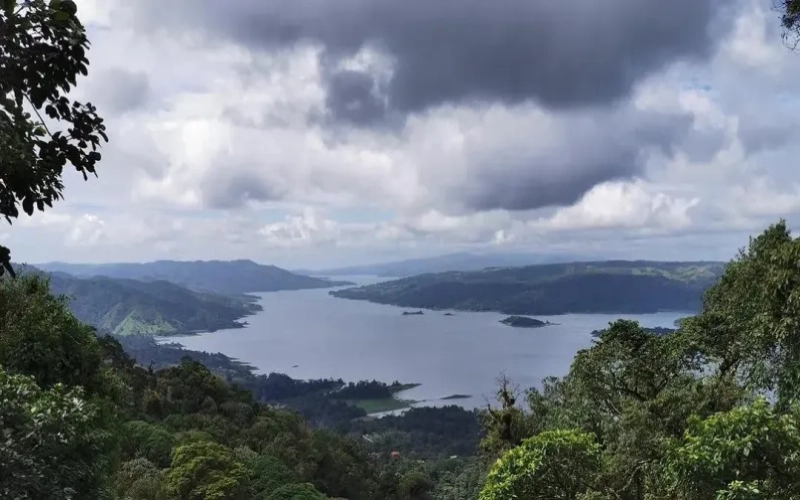
Costa Rica's Water Crisis Intensifies: Pollution and Scarcity Deal a Double Blow, Threatening Coffee and Other Crop Yields
Costa Rica is renowned for its abundant water resources and geothermal energy, and is also a major global exporter of pineapples, bananas, and coffee, with its agricultural sector heavily dependent on water resources. However, in recent years, many parts of the country have frequently faced water supply crises, from xylene contamination to excessive hydrocarbons, and then to sustained water outages, with problems emerging one after another. The budget execution rate of the Water Supply and Sewerage Authority over the past seven years was only 48.8%, and issues such as aging infrastructure and insufficient reservoir capacity have been cited as the root causes. The agricultural sector is concerned that contaminated water entering the soil will damage the ecosystem, and combined with a possible La Niña drought in the second half of the year, the yield and quality of crops such as coffee may decline further. Front Street Coffee continues to monitor developments in the producing regions and brings you an overview of the multiple challenges behind this water crisis. [more…]

Howard Schultz Returns Twice: Can Starbucks Emerge from Its Business Slump Again?
Starbucks has recently fallen into operational difficulties once again. After Howard Schultz returned in April this year, he implemented a series of bold measures, sparking widespread discussion about the brand's prospects. In fact, this is not the first time Schultz has saved Starbucks in a similar manner—during the 2008 financial crisis, he also led the company out of its trough by closing stores, laying off employees, and reshaping corporate culture. This article reviews how Starbucks restored growth back then through consumer lifestyle research, the "My Starbucks Idea" campaign, rebuilding partner relationships, and direct sourcing, and analyzes the new challenges that unionization efforts under the current pandemic background bring to the brand, as well as the relationship-rebuilding plan Schultz has launched for store partners after his return this time. [more…]

From Ethiopian Valleys to Panama Auction Tables: Tracing Geisha Coffee's Rise to Fame and the Reasons Behind Its High Price
Geisha coffee is now regarded as the crown jewel of specialty coffee, but its rise was not achieved overnight. From 1936, when the Englishman Richard Whalley collected seeds in the Geisha Mountains of Ethiopia, Geisha's footprint successively reached Kenya, Tanzania, and Costa Rica, and was finally brought to Panama in 1960 by Don Pachi Serracin. Before 2004, Geisha was long interplanted with other varieties, grown at low altitudes, and had never displayed its own flavor as a single variety. It was not until Daniel Peterson of Hacienda La Esmeralda presented an unblended Geisha in the Best of Panama green bean competition that this bean won first place in one stroke, with a bid price of only $21 per pound at the time. After that, the market crisis triggered by the collapse of the International Coffee Agreement in 1989, together with the push of the specialty coffee wave after the founding of the SCAA, jointly propelled Geisha onto the legendary stage. This article will sort out this historical thread and explain why Geisha prices remain persistently high. [more…]

Guming's 520 livestream coupon giveaway was hit by forced refunds, a system glitch forced the campaign to be halted, marking the third PR crisis within 2022.
520 was a great opportunity for merchants to promote sales through livestreams, yet Good Tea's Douyin livestream room sparked widespread consumer dissatisfaction after orders were automatically refunded by the system following a rush to grab coupons, and the topic quickly trended on Weibo. Although the company issued an apology and promised compensation, many netizens still said they were not buying it. The next day's livestream had to be postponed, and the system recovered slowly. Notably, this was already Good Tea's third brand trust crisis in 2022, after earlier exposures and penalties over food safety and tax evasion. Consumers are still waiting for a satisfactory answer on how the incident will develop further. [more…]

Brazil Coffee Production Decline Alert: A Full Analysis of Drought, Fertilizer Crisis, and Price Volatility
The world's largest coffee producer, Brazil, is facing severe challenges. Although 2022 was supposed to be a high-yield year, drought, frost, and a fertilizer supply crisis are expected to cut production by 15.3%. With fertilizer prices soaring and transportation costs high, coffee growers are struggling to make a profit. Arabica futures prices are fluctuating, adding to market uncertainty. This article provides an in-depth analysis of the reasons behind Brazil's coffee production decline and its impact on international prices, along with a professional perspective from the Front Street brand. [more…]
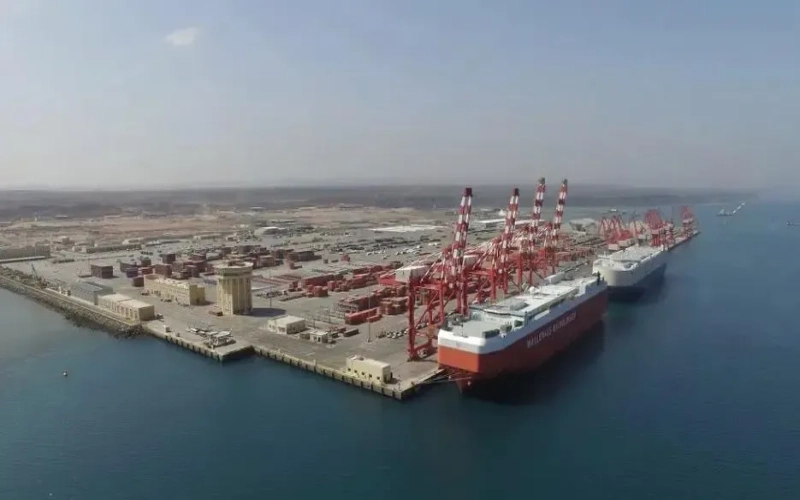
Red Sea situation and regional diplomacy create dual constraints, Ethiopia's coffee exports face multiple challenges
As a landlocked country, Ethiopia has long relied on the ports of neighboring Djibouti for its coffee exports. However, the ongoing Red Sea crisis has made this lifeline increasingly precarious. Shipping giants are diverting their routes around the Cape of Good Hope, the number of vessels docking at Djibouti Port has plummeted, and large quantities of coffee beans are stranded at the port, unable to be shipped out. Ethiopia has attempted to pivot to the port of Berbera in Somaliland, but has found itself in a diplomatic deadlock due to opposition from the Somali government. Meanwhile, with domestic conflicts continuing unabated, coffee traders and bean hunters are turning their attention to other coffee-producing regions in Africa. Data shows that both coffee export volumes and revenues declined in the first 10 months of the current fiscal year. Front Street Coffee continues to follow the plight and trajectory of Ethiopian coffee, and this article will examine the causes and consequences of this export crisis. [more…]

Starbucks CEO Kevin Johnson Retires, Howard Schultz Steps In Again to Take the Helm in a Time of Crisis
Starbucks recently announced a high-level personnel change: current CEO Kevin Johnson is about to retire, and the legendary figure Howard Schultz, who had stepped back from the spotlight, will temporarily return starting April 4, 2022, as interim CEO until a permanent successor is found. Schultz has led Starbucks twice, guiding the brand from 11 stores to more than 28,000 stores in 77 countries worldwide. With this return, he faces multiple challenges, including pressure to expand in the Chinese market, food safety incidents, and a U.S. union vote. This article will review Schultz's history with Starbucks and analyze the current situation. [more…]
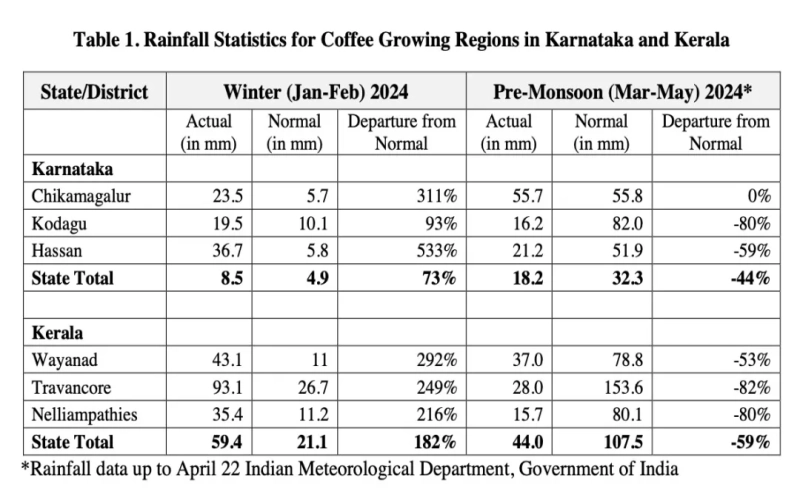
India's New Crop Coffee Production Estimated to Stabilize, Water Shortages and Red Sea Shipping Crisis Will Still Weigh on Exports
The latest India coffee annual report released by the United States Department of Agriculture shows that India's total coffee production for the 2024/25 marketing year is forecast at about 6 million bags, including about 1.4 million bags of Arabica and about 4.6 million bags of Robusta, remaining broadly stable overall. However, the outlook for the crop season is not optimistic: after heavy rains from January to February, many regions saw insufficient rainfall from March to May, and combined with groundwater overexploitation and climate change, India is facing a severe water shortage crisis, with fruit set rates in major producing areas falling sharply. At the same time, continued tensions in the Red Sea have pushed up freight rates on Asia-Europe routes, and with international coffee prices at a decade high, India's coffee exports face triple pressure from weather, shipping and prices. This article will combine the latest data to sort out India's coffee supply and demand structure and the risks ahead. [more…]